Embrace Imperfection with Tjakep: A Quirky and Expressive Display Font
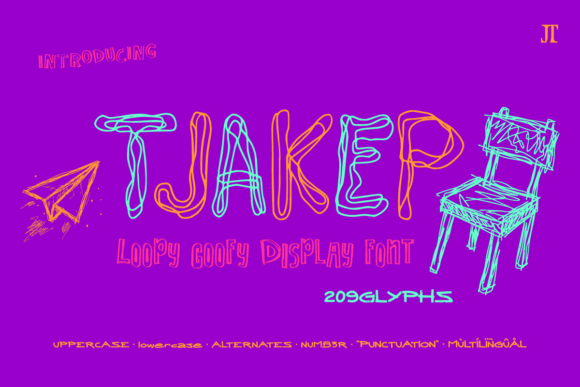
Tjakep is a playful, loopy, and goofy scribbly display font that embraces imperfection in the most charming way possible. Inspired by messy hand-drawn strokes and lo-fi doodle aesthetics, this font delivers a quirky, expressive, and slightly chaotic personality. Each letter feels alive with uneven lines, overlapping strokes, and a raw sketch vibe—perfect for designs that want to break the rules and stand out with a fun, anti-perfect look.
Why Choose Tjakep?
Whether you're creating posters, kids' designs, branding, or experimental visuals, Tjakep adds a unique, human touch that feels spontaneous and full of character. This font is perfect for adding a whimsical and creative flair to your projects, making them stand out in a sea of more conventional designs.
Overusing the Font
One common mistake is overusing Tjakep in a design. While its quirky and expressive nature can be appealing, using it excessively can make your design look cluttered and unprofessional. Tip: Use Tjakep sparingly, perhaps for headlines or key elements, and pair it with a more legible, clean font for body text.
Ignoring Context and Audience
Tjakep's playful and informal style may not be suitable for all contexts. For example, using it in a formal business document or a serious academic paper could undermine the professionalism and credibility of the content. Tip: Always consider the context and audience before choosing Tjakep. It works best for creative, casual, and youth-oriented projects.
Neglecting Multilingual Support
While Tjakep offers multilingual support, it's important to check if it includes the specific characters and languages you need. Neglecting this step can lead to missing or incorrect characters, which can confuse your audience and reduce the effectiveness of your message. Tip: Before using Tjakep, verify that it supports the languages and characters required for your project.
Not Utilizing Alternates and Glyphs
Tjakep comes with 209 glyphs, including alternates and special characters. Not utilizing these features can limit the creativity and versatility of your designs. Tip: Explore the full range of glyphs and alternates available in Tjakep to add variety and uniqueness to your typography. Experiment with different combinations to find the perfect fit for your project.
Combine with Complementary Fonts
To create a balanced and visually appealing design, combine Tjakep with complementary fonts. For instance, pair it with a clean, sans-serif font like Arial or Helvetica for body text. This combination will help maintain readability while still allowing Tjakep to shine in key areas.
Test Readability and Legibility
Given Tjakep's playful and irregular style, it's crucial to test its readability and legibility, especially in smaller sizes. Ensure that the text remains clear and easy to read, even when used in smaller formats such as social media graphics or mobile screens. Tip: Conduct a quick readability test by showing your design to a few people and asking for their feedback.
Use for Creative and Informal Projects
Tjakep is ideal for creative and informal projects where a fun and spontaneous look is desired. Consider using it for:
- Posters and flyers for events
- Social media graphics and posts
- Kids' designs and educational materials
- Playful branding and logos
- Street art and graffiti-style designs
- Creative packaging and labels
- DIY zine and indie projects
- Fun typography experiments
Final Thoughts
Tjakep is a unique and expressive font that can add a lot of character to your designs. By avoiding common mistakes and following practical advice, you can use Tjakep effectively and creatively. Remember to consider the context, audience, and specific needs of your project to ensure the best results. With its charming imperfections and playful vibe, Tjakep is sure to make your designs stand out and leave a lasting impression.